Circumstances that challenge our plans
Half built stadiums, ramshackle concrete stands and synthetic tracks with hairpin bends painted into their curves. These are common features in the northernmost Limpopo Province of South Africa. This vast, largely rural province is not a para-athlete’s ideal launching pad into international competition. But let’s not forget that the Limpopo valley is also home to those iconic giants of the bushveld: Baobabs. These ancient trees bear scars that speak of hundreds of years of challenging circumstances. They tower above other trees in the bushveld, refusing to allow harsh circumstances to define their stature or outcomes.
So what defines our outcomes?
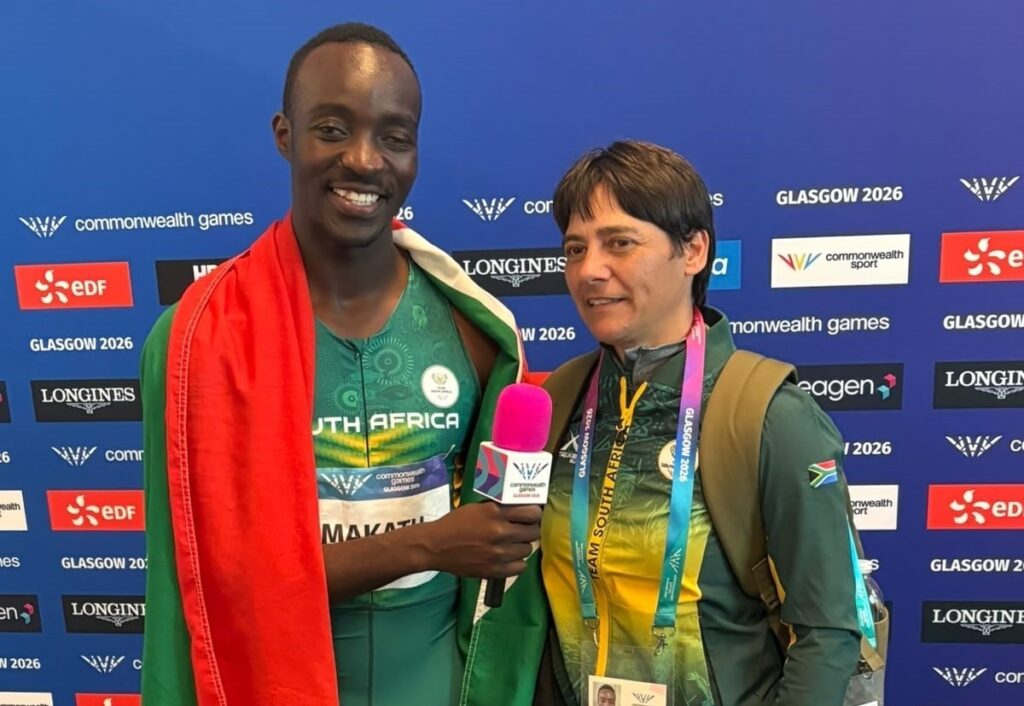
It seems as if there are some ‘Limpopians’ who have taken a leaf out of the Baobab’s book. Sheryl James and Masala Makatu were included in the group of seven para-athletes who recently formed part of Team SA at the 2026 Commonwealth Games in Glasgow. Unlike athletes from better resourced provinces, our Limpopo athletes face a serious lack of access to state-of-the-art training facilities and high-performance centres. However, Sheryl and Masala entertain no excuses. By the grace of God, sheer hard work and determination, our Limpopo athletes have once again shown us what resilience is all about.
At the recent Glasgow Games, Sheryl was the only T37 to run in both finals of the 100 m and 200 m mixed class (T37 and T38 athletes), running a season’s best. Masala raced to silver and a personal best in the men’s mixed class (T11 and T12) 100 m sprint. With Sheryl mentoring and coaching him, Masala has grasped every opportunity and defied every challenge, making a notable debut in the green and gold.
Both of these athletes have faced their own dragons over time. And they will probably face more in the future. But they have shown us one thing. Our outcomes don’t have to be defined by our dragons.
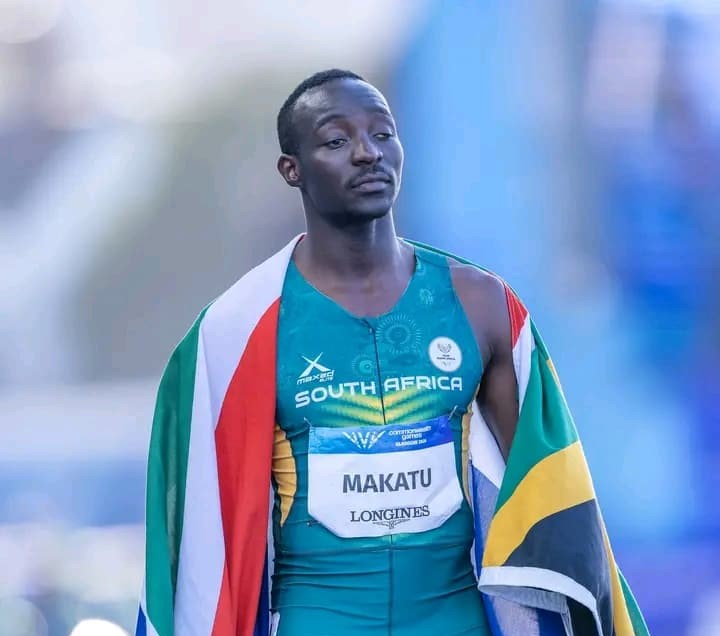
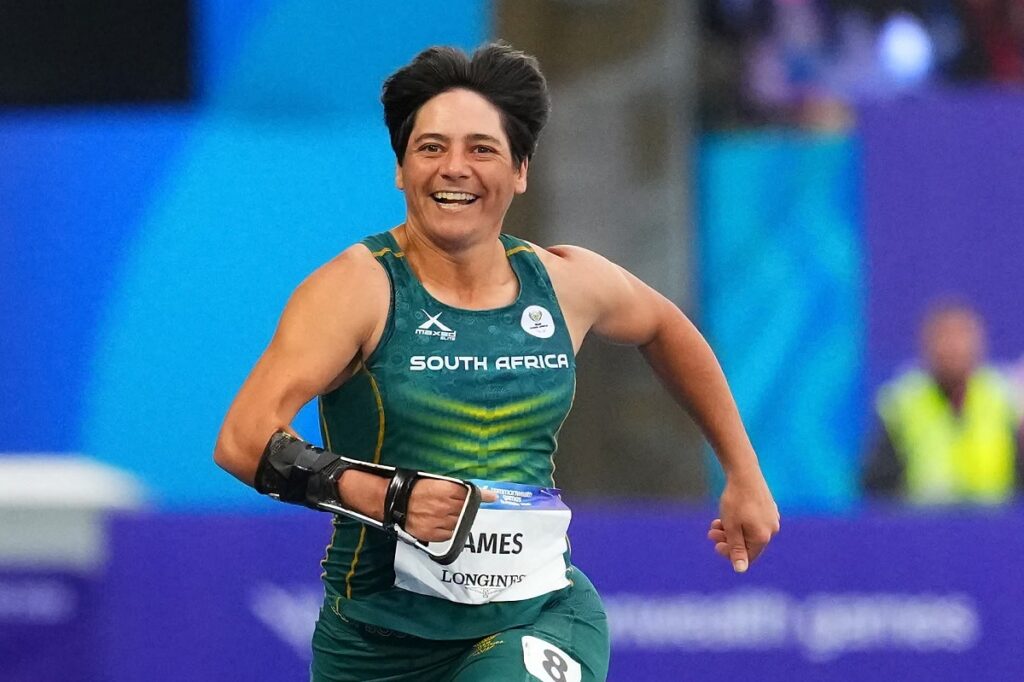
Fun fact: Sheryl and Masala belong to Isability Sports Club Limpopo. Six years ago, this club was a mere twinkle in the eye of an athlete who didn’t even know how to use starting blocks. Today, the Club has a data base of more than one hundred para-athletes across the province and continues to develop athletes and coaches. It seems we have more future ‘Baobabs’ in the making.
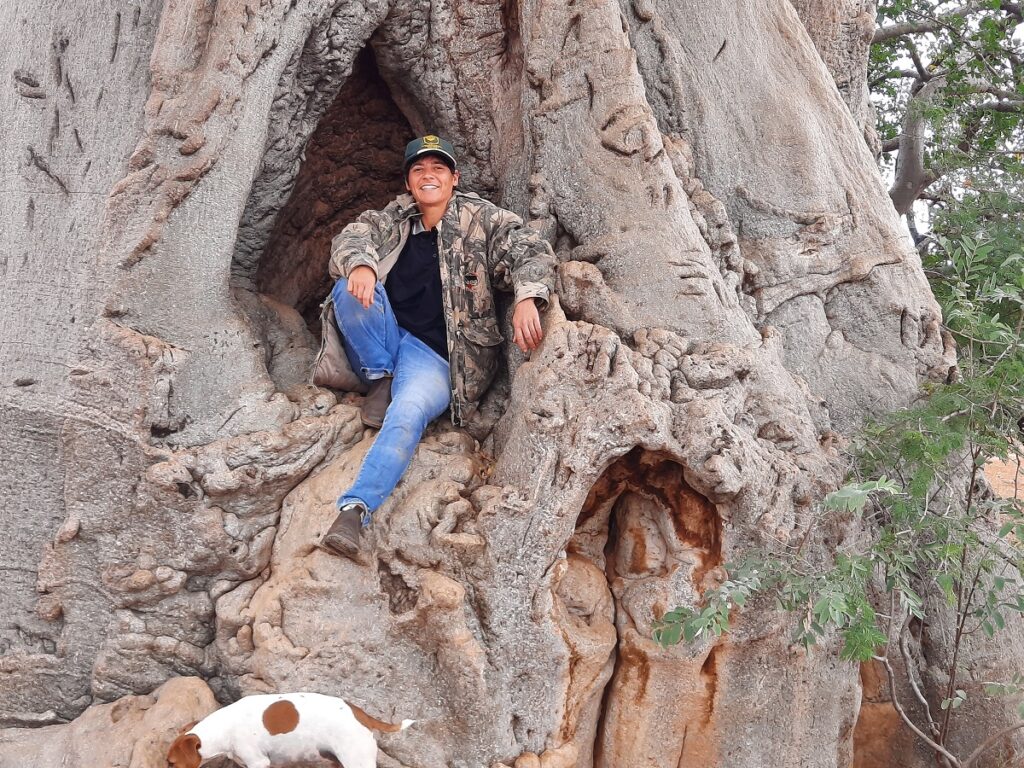
Every step of this journey has been inspiring. Keep going